


Study: Confidence Higher Among Target Date Fund Investors
A new survey by Voya Investment Management finds that participants who invest in target date funds (TDFs) feel significantly more confident about their retirement savings than their peers who are not invested in TDFs. When asked whether investing in a TDF makes them feel more confident about making good investment decisions, 95% of employed TDF investors said yes, including 39% who strongly agreed. Among those who don’t invest in TDFs, total agreement dropped to 75%, with only 14% strongly agreeing.
The survey found that 71% of employed TDF investors said they feel confident that they’ll reach their retirement goals, compared to 58% of non-TDF investors. Employed TDF investors also report less stress — more than 90% said that investing in a TDF helps reduce the stress of retirement planning. Among those who don’t use TDFs, 73% said the same.
Among participants with access to a TDF, 83% of employees and 86% of retirees reported that they chose to invest in it. The top reasons offered for their TDF investment decision include: professional management, ease of use, built-in diversification, and ongoing rebalancing.
Sources:
https://www.napa-net.org/news/2025/11/target-date-funds-continue-strong-growth/
https://www.napa-net.org/news/2025/4/tdfs-hit-major-milestone-exceeding-expectations-morningstar/
TDFs are investment vehicles designed to provide investors with a retirement savings over time by automatically adjusting the TDF asset allocation mix along the risk spectrum as the investor approaches retirement age. The TDF includes a year (vintage) in its name, which is generally when the investor plans to start redeeming from the TDF, unless it is a retirement vintage designed for those who are retired. Generally, the TDF initially has more exposure to equities early on and more exposure to fixed income the TDF approaches its target date.
A TDF is not guaranteed at any time, including at and after the target date; it does not guarantee sufficient income in retirement. Asset allocation and diversification do not promise performance or guarantee against loss of principal.

Lawmakers Move to Ease Form 5500 Filing Burdens
Rep. Glenn Grothman (R-Wisc.) and Rep. Donald Norcross (D-N.J.) have introduced legislation aimed at easing Form 5500 filing burdens. The bill, H.R. 7362, known as the Form 5500 Filing Simplification Act, was introduced on February 4, 2026.
Among other changes, if passed, the bill would extend the deadline for filing the form by nearly three months. For calendar-year plans, the deadline would shift from July 31 to October 15.
The bill has been referred to the House Committee on Education & the Workforce, as well as the Ways and Means Committee, for consideration.
Sources:
https://grothman.house.gov/news/documentsingle.aspx?DocumentID=5036
https://www.congress.gov/bill/119th-congress/house-bill/7362?loclr=cga-committee
https://www.asppa-net.org/news/2026/2/form-5500-more-time-to-comply/
https://www.napa-net.org/news/2026/2/bipartisan-bill-introduced-to-simplify-form-5500-reporting/
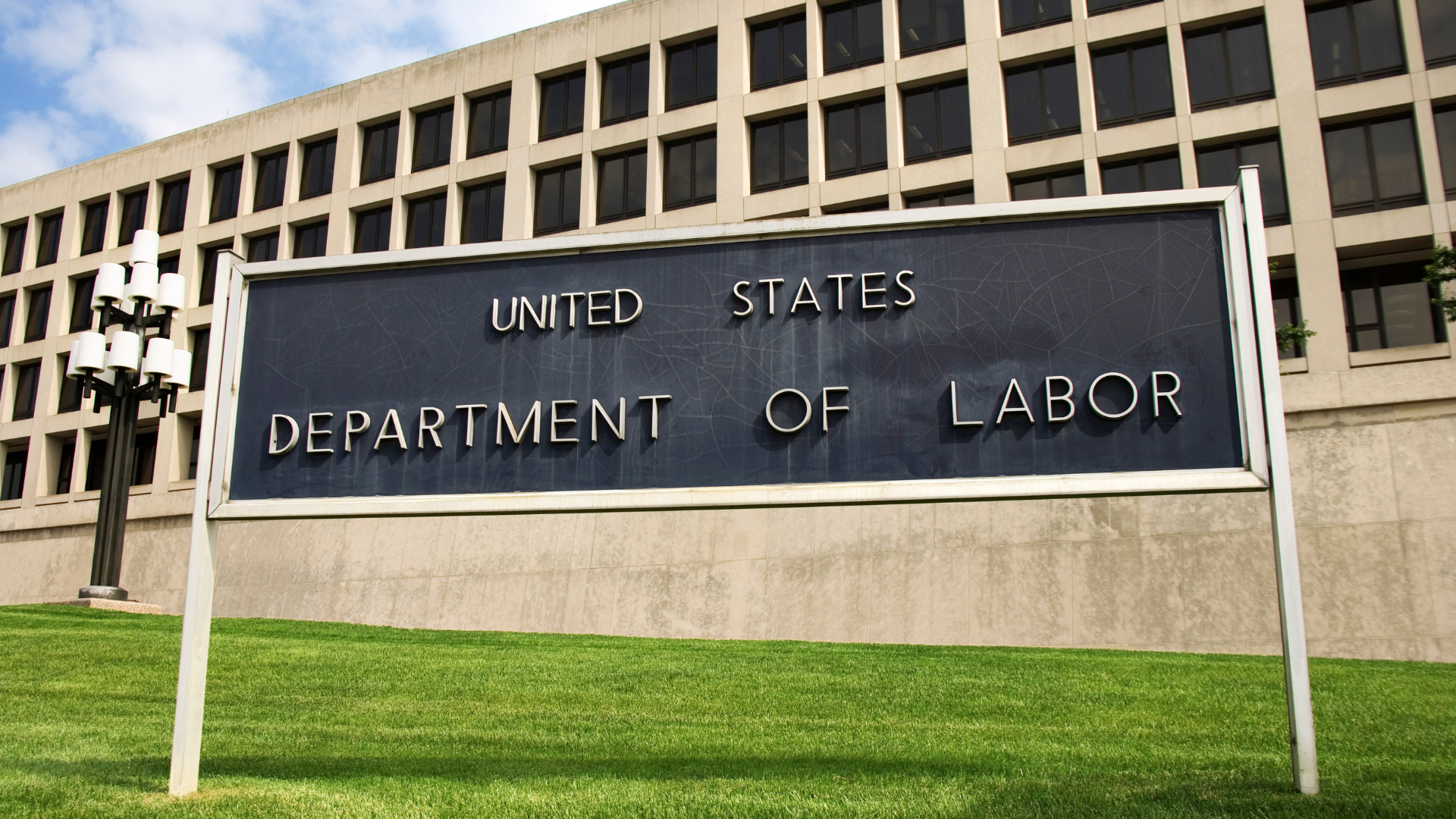
DOL Backs Employers in Forfeiture Litigation
The U.S. Department of Labor (DOL) is urging a federal appeals court to uphold the dismissal of a lawsuit claiming that an employer misused retirement plan forfeitures.
On January 30, 2026, the DOL filed an amicus brief with the U.S. Court of Appeals for the Third Circuit in Barragan v. Honeywell Int’l Inc., asking the court to affirm a lower court’s decision in favor of the employer. The case centers on whether the employer plan fiduciary breached its duties by not using forfeited employer contributions to pay plan expenses.
In a press release, the DOL noted that the amicus brief reflects the Secretary of Labor’s view that ERISA is designed to set standards of conduct for fiduciaries, and that using forfeited contributions in this way does not necessarily violate the law.
In its filing, the DOL argues that the district court correctly concluded that the plan sponsor did not breach its fiduciary duties of prudence and loyalty. The plaintiff, the DOL says, provided only a bare allegation that forfeitures were not used to pay plan expenses, even though the plan gave fiduciaries discretion over how to allocate those funds.
The brief also notes there is no rule barring plan fiduciaries from allocating forfeited employer contributions to reduce future employer contributions, versus having to use those funds to offset administrative costs.
Source: https://www.dol.gov/newsroom/releases/ebsa/ebsa20260130