

OMB Poised to Review Proposed Rule on Paper Statements and E-disclosures
The regulatory follow-through on SECURE 2.0’s paper-statement mandate is now entering its next stage. The 2022 law includes provisions affecting how benefit statements must be delivered. In general, defined contribution (DC) plans will be required to furnish participants with at least one paper benefit statement each year, unless they affirmatively elect electronic delivery, for plan years beginning after December 31, 2025. An additional provision directs the Department of Labor (DOL) to update its electronic-delivery regulations so that participants and beneficiaries who first become eligible after that date receive a one-time paper notice before their required statements and related disclosures can be furnished electronically.
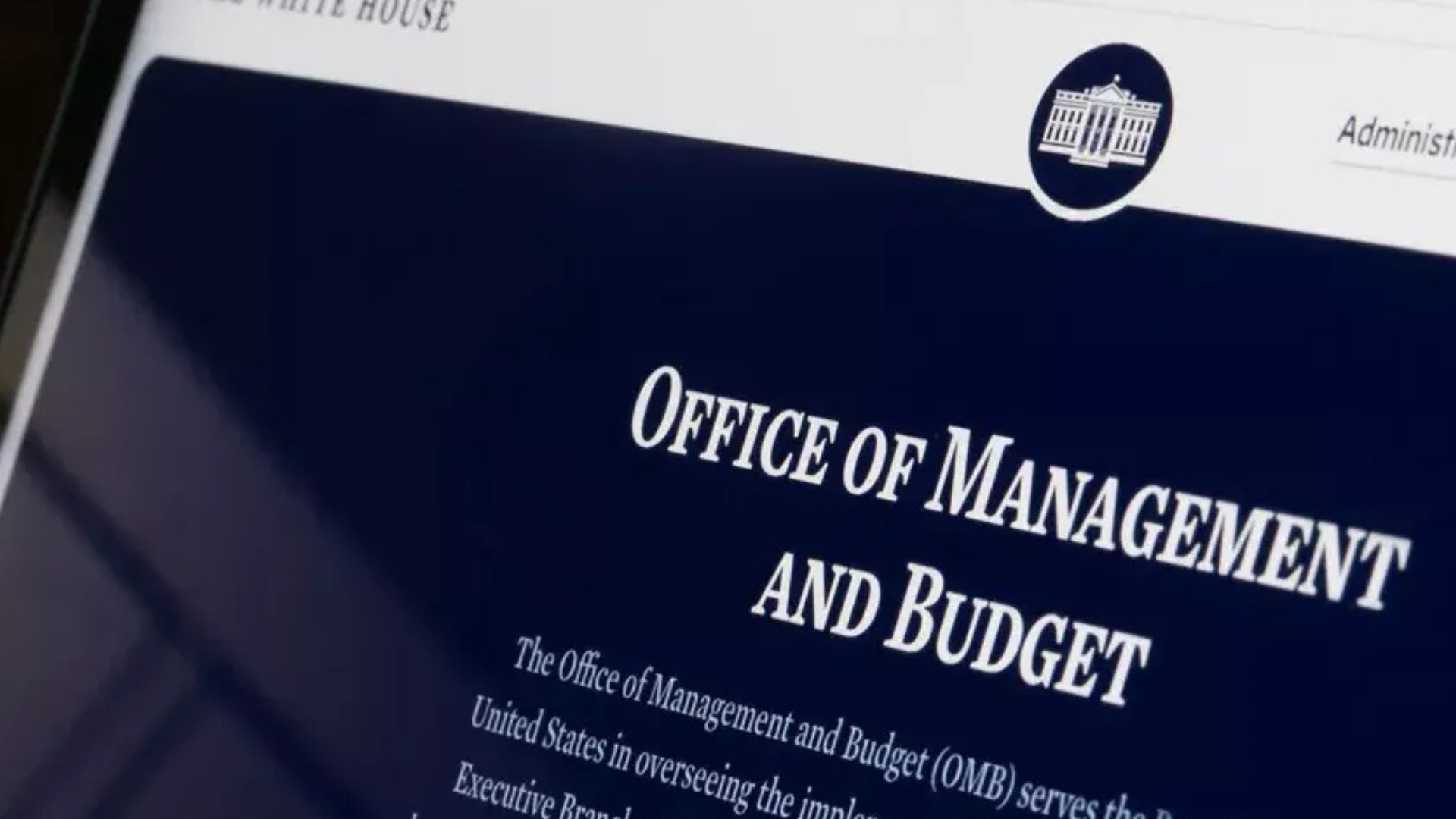
On September 30, 2025, the DOL’s Employee Benefits Security Administration (EBSA) agency submitted a proposed rule, “Requirement to Provide Paper Statements in Certain Cases — Amendments to Electronic Disclosure Safe Harbors,” to the Office of Management and Budget (OMB). The proposal would update 29 CFR 2520.104b-1(c), part of the DOL’s regulation governing the timing and method for furnishing ERISA disclosures, and 29 CFR 2520.104b-31, the DOL’s electronic-delivery framework often referred to as the “notice-and-access” safe harbor.
The OMB announcement signals that detailed rules are forthcoming on matters that may include formatting, timing and content requirements, delivery standards, and participant elections for statements. The proposed rule follows EBSA’s August 2023 Request for Information, in which the agency sought public input on SECURE 2.0’s various reporting and disclosure mandates.
Once the OMB completes its review, the proposal will be released to the public as a Notice of Proposed Rulemaking, which will subsequently open a formal comment period. OMB typically has up to 90 days (which may be extended) to review a proposal and decide whether to clear it for publication or send it back for revision, though there is no set minimum time frame for review. Plan sponsors may want to monitor the rule’s progress as it moves through the federal rulemaking procedures, and the industry and public comment period.
Sources:
https://www.reginfo.gov/public/do/eAgendaViewRule?pubId=202504&RIN=1210-AC27
https://www.asppa-net.org/news/2025/10/dol-set-to-propose-guidance-on-paper-statements-e-disclosures

Savings Inertia | Moving Beyond the Default
New research has revealed some telling patterns in employee retirement plan contribution rates. According to PLANSPONSOR’s 2025 Participant Survey, nearly 4 in 10 participants said that – when choosing their rate – they simply stayed with the plan’s default setting.
What this means is that the default doesn’t always just start the retirement savings journey. For a significant portion of the workforce, it can end up defining it. The finding reinforces long-held notions around status quo bias and choice overload. That is, when a decision is complex or abstract, many people gravitate toward the path of least resistance. While auto enrollment and other plan design features have been successful in increasing participation, forward-thinking sponsors can consider doing even more.
Plan Design is Key
Plan sponsors have many design options available to them, beyond basic auto enrollment features, to further draw on the influence of behavioral economics. For example…
- Raising the initial auto enrollment deferral rate: Increasing the rate can help employees get a faster start on their savings journey.
- Enhancing automatic escalation settings: Sponsors can increase individuals’ contribution rates over time by adding or, if applicable, raising, the annual auto escalation increment and/or increasing the escalation cap.
- Stretching the match: Sponsors also can encourage higher employee contributions by stretching their match formula. For example, assume a sponsor currently matches 100% of participants’ contributions up to 3% of their salary. The sponsor could encourage people to double their own rate of savings, while holding the company’s match costs level, by instead matching 50% of contributions up to 6% of salary.
Hands-on Guidance Can Play a Crucial (and Welcome) Role Too
While plan design and automatic features can have a positive impact, there’s strong evidence that people also want additional, hands-on support as they make money decisions. Morgan Stanley at Work’s annual State of the Workplace Financial Benefits Study, for example, shows workers are looking for financial and retirement guidance. Of the options provided, respondents expressed the strongest preference for access to a financial advisor (47%) through their employer plan, with goals-based investment planning (45%) and retirement income solutions (43%) not far behind.
From systematized plan design settings to hands-on guidance, sponsors and advisors may want to look for ways to help people move “beyond the default” and into paths that could set them on a better course for retirement readiness.
Sources:
https://www.plansponsor.com/surveys/2025-participant-survey/
https://institutional.vanguard.com/2025_How_America_Saves.pdf
https://www.cnbc.com/2025/06/04/average-401k-savings-rate.html
https://www.fidelity.com/learning-center/smart-money/average-401k-match
https://www.psca.org/news/psca-news/2025/5/economic-uncertainty-has-reduced-employee-saving
https://graystone.morganstanley.com/graystone-consulting-pacific-mountain.pdf
https://www.psca.org/auto-enrollment-less-popular-with-small-plans-but-gap-is-narrowing/

The $100 Billion Swing Era | Managing Headline Overload
If you think capitalization swings are getting wider and more frequent, you may be right. By the end of October 2025, there were 119 instances of individual U.S. stocks (mainly large technology firms) moving by more than $100 billion in market cap in a single day this year, according to the International Business Times. In 2024, there were only 42 such instances, and in 2020 there were fewer than 10. These dramatic single-day moves have captured headlines and contributed to a sense that markets are becoming more unpredictable.
For retirement plan participants, these high-profile fluctuations can understandably raise questions and concerns about risk, diversification, and portfolio composition. Large swings in a handful of companies usually shouldn’t affect an individual’s long-horizon savings strategy or require short-term action. Clear communication can help participants understand how their investments are structured and why a diversified, long-term strategy can continue to serve them well while alleviating anxiety during periods of elevated volatility.
Sources:
https://www.ibtimes.com/elastic-market-effect-how-100-billion-swings-became-new-normal